
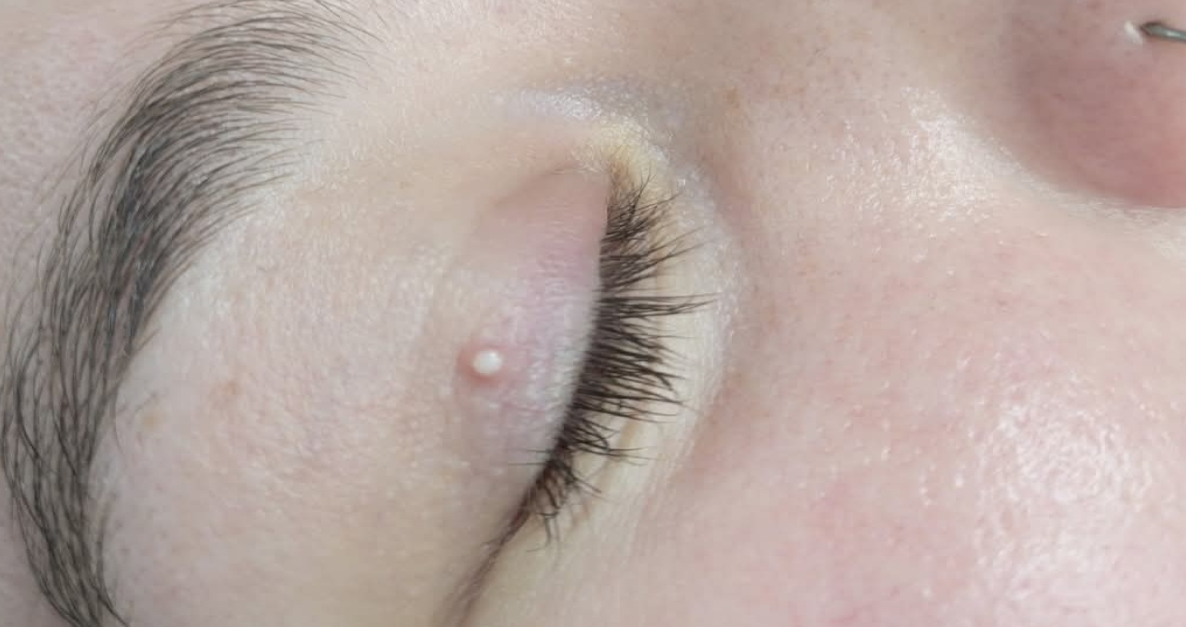
Are you troubled by those tiny bumps on your face that resemble acne but do not seem to go away? You might be dealing with milia, not acne. So, milia vs acne, what’s the real difference between them?
Keep reading this blog to know more!
Not every bump on your skin is acne. Those small, pearl-like bumps that look deceptively similar to pimples but behave very differently. Understanding the difference can save your skin from unnecessary irritation, wrong treatments, and long-term damage. At A.H Advanced Skin Specialist, we offer professional treatment designed to help you achieve clearer, healthier skin.
So, what’s the real difference between milia and acne? Let’s break it down in a way that actually makes sense.
Guide to Milia vs Acne: Understanding the Key Differences & Best Treatment Options
What is Milia?
Milia, often referred to as milk cysts, are small, white or yellowish bumps that form on the skin. But despite their resemblance to whiteheads, they are not acne. It forms when keratin (a skin protein) gets trapped beneath the skin’s surface.
What makes milia unique?
- They are firm and painless
- They don’t have a visible opening (unlike pimples)
- They don’t pop easily
- Commonly appear around the eyes, cheeks, and forehead
Causes of Milia:
- Trapped dead skin cells beneath the skin’s surface
- Long -term use of steroid creams or ointments
- Skin damage from injuries or sun exposure
- Skin trauma (like after procedures or burns)
- Use of oil based skin products.
- Dry/dehydrated skin
Milia are not acne, as they are not caused by oil or bacteria, which means typical acne treatments are ineffective.
What is Acne?
In contrast to Milia, acne is a common skin condition characterised by red, inflamed pimples, blackheads, and whiteheads. Acne occurs when hair follicles become clogged with oil or dead skin cells, leading to bacterial growth and inflammation.
Common triggers:
- Hormonal changes
- Excess oil (sebum) & dead skin cells
- Stress and medications
- Diet and lifestyle
- Makeup products
- Improper skincare routines
How does acne behave?
Unlike milia, acne often:
- Becomes red and inflamed
- Can be painful
- May contain pus
- Changes over time (grows, bursts, heals)
Milia vs Acne: Key Differences You Should Know
If you are still confused about the difference between milia and acne, here are some key distinctions to help you tell them apart more easily.
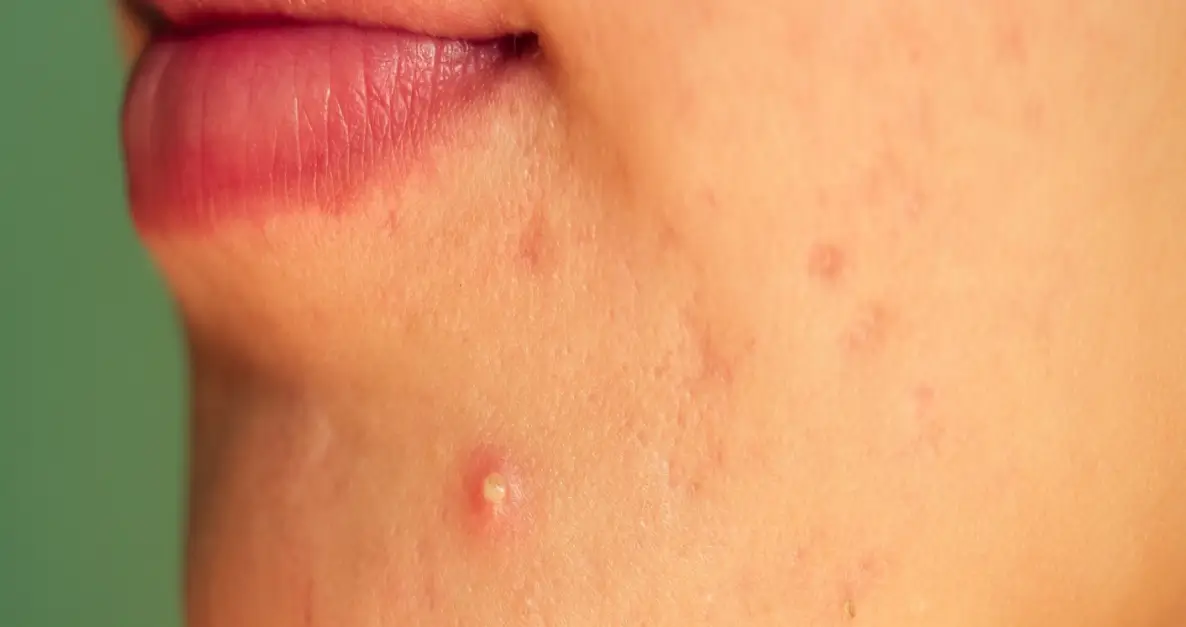
Appearance & Feel
- Milia: Milia are small (1-2mm) white/yellowish, hard, smooth, dome-shaped, and usually not inflamed.
- Acne: Acne is often reddish, inflamed, soft, and sometimes tender.
Composition
- Milia: They are keratin, hardened into a tiny cyst.
- Acne: These whiteheads are caused by sebum (oil) and bacteria.
Extraction
- Milia: It has no opening and cannot be extracted manually.
- Acne: Whiteheads have an opening and can be extracted manually, though it is not generally recommended.
Treatment
- Milia: Acne responds to salicylic acid or benzoyl peroxide, but these do nothing for milia.
- Acne: Milia often require professional treatment, whereas acne responds to over-the-counter products.
Understanding these differences helps avoid a common mistake. Treating milia like acne often worsens the issue.
Treatment Options: What Actually Works?
The right treatment depends entirely on whether you’re dealing with milia or acne.
For Milia:
- Advanced electrolysis: Safely removing the cyst using a sterile probe and a short wave diathermy current.
- Chemical Peels: Helps exfoliate dead skin and prevent milia
- Retinoids (mild use): Encourages skin renewal
For Acne:
- Topical Treatments: Salicylic acid, benzoyl peroxide
- Oral Medications: For moderate to severe cases
- Laser & Light Therapies: For stubborn acne
- Medical Facials: Deep cleansing and pore management
Tip: If a bump hasn’t changed over the past weeks and doesn’t hurt, it’s likely milia. But if it’s red, painful, and evolving, then it’s probably acne.
Prevention Tips: Keep Your Skin in Check
While you can’t control everything, small habits go a long way.
To prevent milia:
- Avoid overly heavy creams
- Exfoliate gently but regularly
- Use non-comedogenic products
To prevent acne:
- Cleanse twice daily
- Avoid touching your face frequently
- Maintain a balanced diet
- Manage stress levels
Think of your skincare routine like a long-term investment. Consistency matters more than quick fixes.
The Bottom Line
So, when it comes to milia vs acne, the difference isn’t just technical. It directly impacts how your skin responds to treatment. That tiny bump you’ve been ignoring might need a completely different approach. And once you get the diagnosis right, everything else becomes easier.
At A.H. Advanced Skin Specialist, you get clarity, expertise, and solutions that actually work. Whether it’s stubborn milia, skin tags, or warts, our advanced electrolysis treatments are designed to deliver visible, lasting results.
Looking for milia removal in Milton Keynes? Reach out to A.H. Advanced Skin Specialist today and take the first step toward clearer, healthier skin.
FAQ’s About Milia vs Acne
Can milia turn into acne?
No, milia and acne are completely different conditions. Milia won’t transform into acne.
Is it safe to remove milia at home?
It’s not recommended. Improper removal can lead to infection or scarring.
How long does acne take to heal?
Mild acne may clear in days, while deeper acne can take weeks and may require treatment.
Can the same product treat both milia and acne?
Not always. Some ingredients may overlap, but treatment approaches are usually different.