
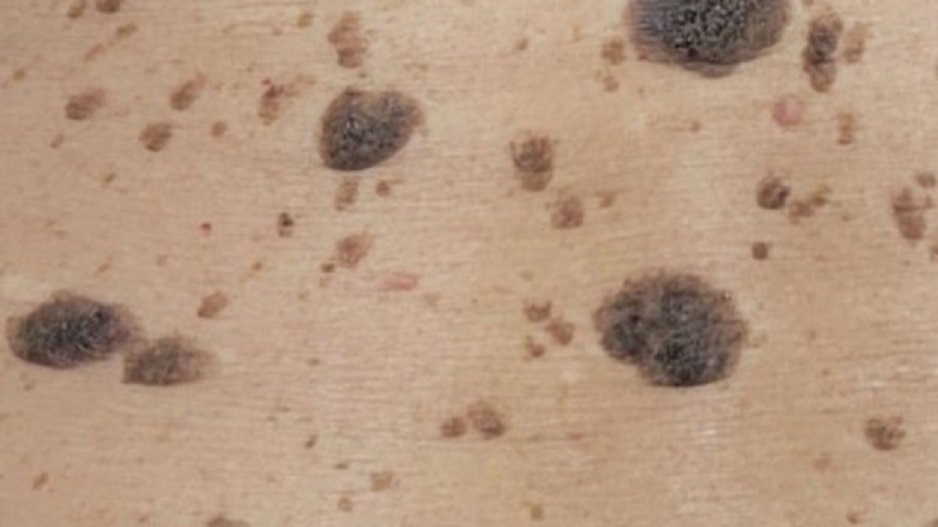
Quick Answer: Seborrheic keratosis treatment usually means professional removal rather than anything you do at home, since these growths sit too firmly in the skin’s outer layer for creams or picking to work safely.
Before anything gets removed, a proper assessment matters, because some pigmented lesions can resemble more serious skin conditions and need ruling out first.
Content Covered:
- What Seborrheic Keratosis Actually Is
- Seborrheic Keratosis Treatment Options That Actually Work
- What to Expect from Seborrheic Keratosis Treatment in Milton Keynes
- FAQs
What Seborrheic Keratosis Actually Is
Seborrheic keratosis is a benign overgrowth of skin cells, nothing to do with sun damage in the way a lot of people assume, though prolonged sun exposure can make someone more prone to developing them.
They’re not warts either, despite often being mistaken for them, and they’re not infectious or contagious. Most people start noticing their first ones from their forties onwards, and honestly, by the time someone reaches their sixties, it’s rare not to have at least one somewhere on the body.
They commonly show up on the face, chest, back, and scalp, anywhere really, though palms and soles tend to be spared.
Seborrheic Keratosis Treatment Options That Actually Work
Once a lesion’s been properly assessed and confirmed as a straightforward seborrheic keratosis, there are a handful of established removal methods. Different clinics favour different approaches, and the right one often depends on the size, location, and number of lesions being treated.
- Advanced Electrolysis: It uses a short-wave diathermy current through a fine probe to gently lift the growth away from the skin without cutting.
- Cryotherapy: Freezing the lesion off using liquid nitrogen, a common option but one that can occasionally leave patches of lighter skin behind.
- Curettage: A scraping technique performed under local anaesthetic, often paired with cautery to control any bleeding.
- Laser ablation: Typically reserved for more stubborn or larger lesions, and usually the priciest option.
Here’s roughly what the process looks like from consultation through to healed skin:
- A full consultation and medical questionnaire, checking the lesion is genuinely suitable for removal and confirming there’s no reason treatment shouldn’t go ahead.
- Treatment itself, which for methods like advanced electrolysis is often completed within a single 30-minute session for smaller areas.
- A scab forms over the treated area within a day or two, which then sloughs off naturally as the skin underneath heals.
- Full healing typically occurs within about two weeks, though this varies depending on the size and location of the lesion.
Most people find one session is enough for a single lesion, though if you’ve got several, more than one appointment might be needed to work through them safely.
What to Expect from Seborrheic Keratosis Treatment in Milton Keynes
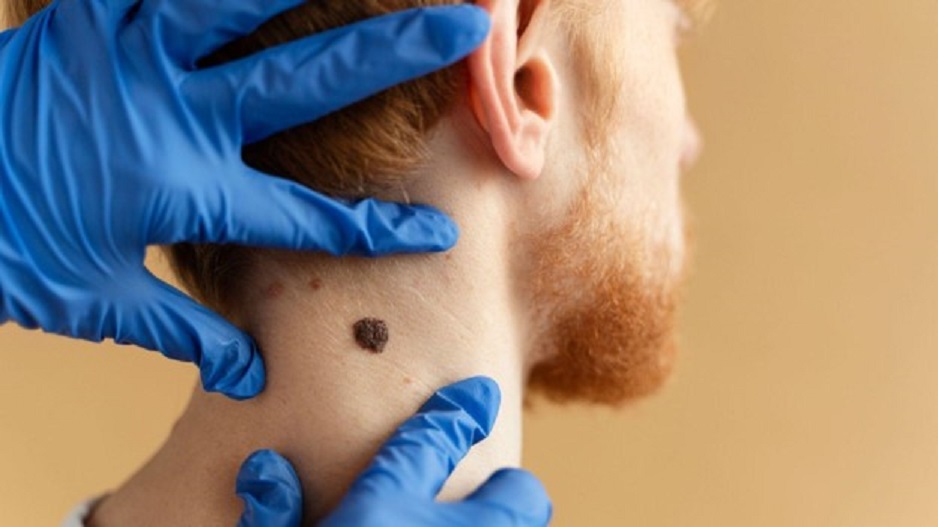
If you’re looking into seborrheic keratosis treatment in Milton Keynes, it’s worth knowing what a proper appointment should involve before you book anything.
At A.H. Advanced Skin Specialist, every client goes through a full consultation and medical questionnaire first, checking the lesion is suitable for treatment and that nothing about your history rules it out, before any removal takes place using advanced electrolysis.
For skin lesions, the probe is used to lift the growth from the skin rather than target a hair follicle, and the treated area is left to form a natural scab rather than being cut or excised.
Aftercare tends to be straightforward: keeping the area dry, avoiding sun and heat, skipping make-up over the site, and using whatever aftercare product is recommended, generally for around two weeks while things heal.
Bottom Line
Getting rid of seborrheic keratosis isn’t complicated once you understand the two things that actually matter: proper assessment first, professional removal second. Home remedies don’t work on this type of lesion, and skipping the assessment step is the one shortcut worth never taking, given how closely some pigmented lesions can mimic more serious skin changes.
Whether you’re specifically researching seborrheic keratosis in Milton Keynes and are curious whether the same clinic handles skin lesions too, the underlying principle is the same: a thorough consultation before any removal goes ahead.
If you’d like an honest assessment of your seborrheic keratosis and a treatment plan tailored to your skin, get in touch with A.H. Advanced Skin Specialist to book a consultation. Visit our website today!
FAQs
How do I get rid of seborrheic keratosis?
Professional removal is the only reliable option, using methods such as advanced electrolysis, cryotherapy, or curettage after a proper consultation confirms the lesion is suitable for treatment.
Home remedies and over-the-counter wart treatments don’t work on this type of growth and can leave uneven scarring.
Does seborrheic keratosis removal hurt?
Most people describe it as a hot, scratching sensation rather than significant pain, and treatment is typically taken at your own pace to keep things comfortable.
Numbing isn’t always necessary for smaller lesions, though some methods use local anaesthetic for larger areas.
Can seborrheic keratosis come back after removal?
The treated lesion itself won’t return, but if you’re prone to developing them, new ones can appear elsewhere on the skin over time.
Clinics often recommend a check-up every six to twelve months if you tend to develop multiple lesions.
How do I know if it’s seborrheic keratosis and not something more serious?
A proper consultation is the only reliable way to know for certain, since some pigmented lesions can resemble melanoma or basal cell carcinoma at a glance.
Any lesion that’s changing shape, bleeding, or growing quickly should be checked by a GP before booking cosmetic removal.
How long does healing take after treatment?
Most people are fully healed within around two weeks, with the area forming a scab that naturally flakes off as new skin underneath settles.
Keeping the area dry and out of direct sun during that window helps it heal cleanly.
About the author: Written by the team at A.H. Advanced Skin Specialist, Milton Keynes. Founder Alexandra Hall has 35 years of experience in the beauty industry, including 15 years in teaching and training, and has run her own skin clinic specialising in advanced electrolysis for blemish removal and permanent hair removal since setting it up 7 years ago.