
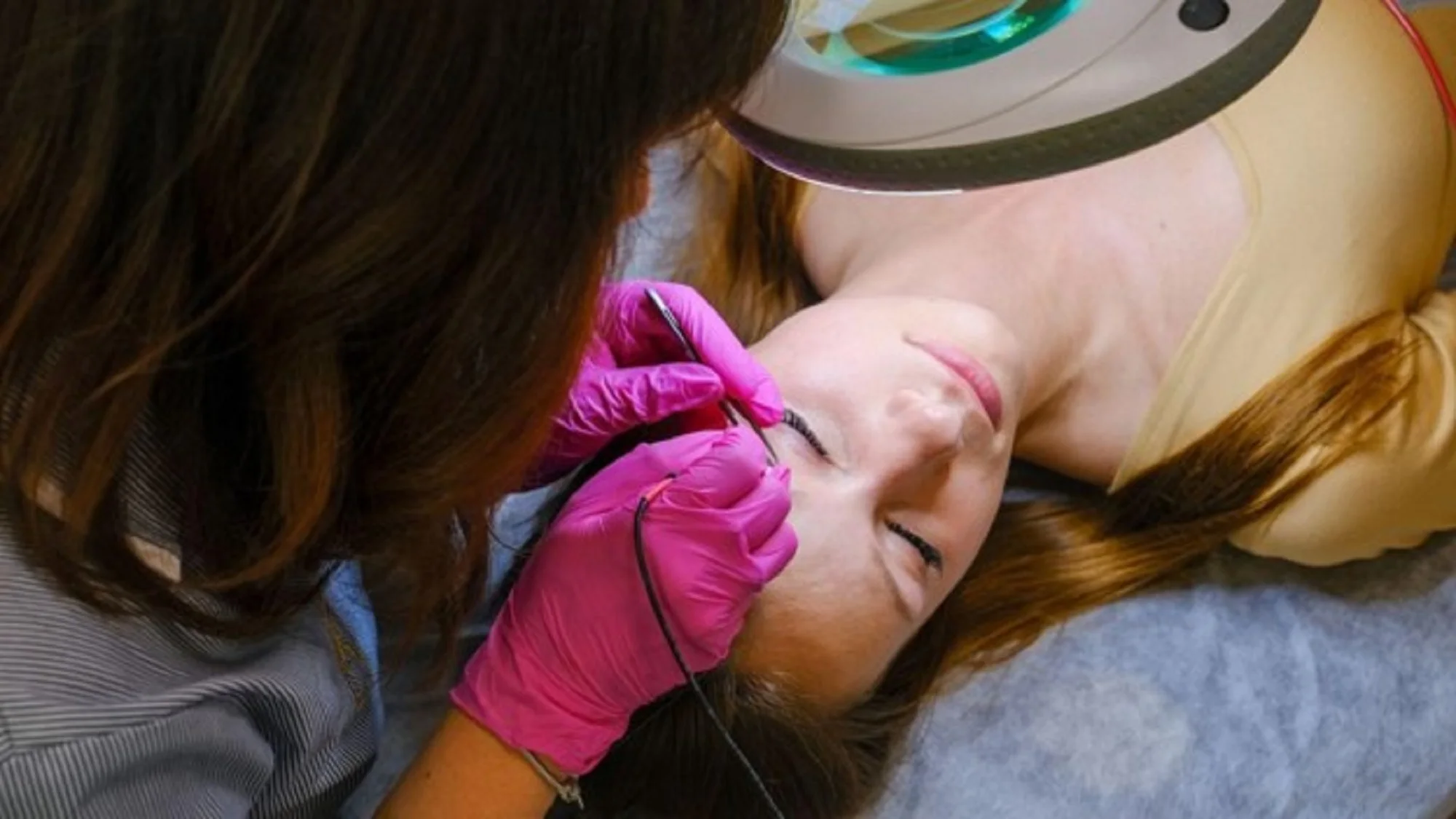
Sensitive skin can make every hair removal choice feel like a gamble. Redness, stinging, and breakouts are real worries, and you may have already been burned by a method that wasn’t right for you.
So, is electrolysis suitable for sensitive skin? Let’s understand this better!
TL;DR
- Electrolysis for sensitive skin may be a suitable option for many people, but it depends on your skin, your hair, and your health.
- Electrolysis works on all skin colours and hair colours, which is not the case for laser.
- Some redness, soreness, or swelling is common afterward and usually settles within 24-48 hours.
- A consultation and test patch come first, so your skin’s response is checked before full treatment.
- Active flare-ups, certain skin conditions, and some medications need a conversation before starting.
- Our electrolysis clinic in Milton Keynes has 35+ years of experience in the beauty industry.
Table of Contents
- What Is Electrolysis and How Does It Work?
- Is Electrolysis Suitable for Sensitive Skin?
- What Makes Skin Feel “Sensitive”?
- Electrolysis vs Laser: Which Is Gentler on Sensitive Skin?
- What Should You Expect During and After Treatment?
- How Can You Prepare Your Sensitive Skin for Electrolysis?
- Why Choose Our Electrolysis Clinic in Milton Keynes?
- Final Thoughts
- FAQs
What Is Electrolysis and How Does It Work?
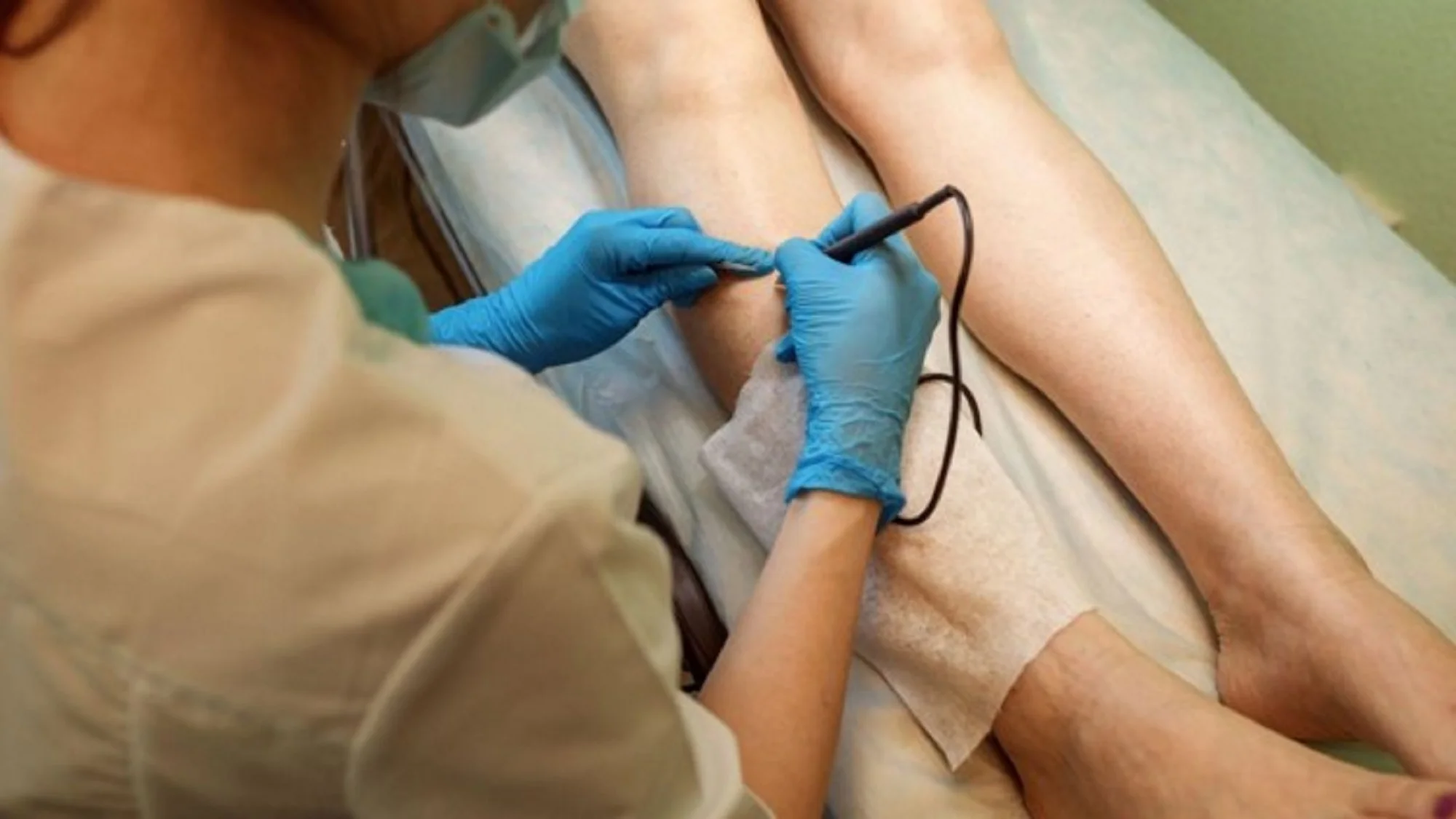
Electrolysis is a recognised method of permanent hair removal. It targets the hair follicle itself, rather than just the hair above the skin.
- A tiny, sterile, disposable probe is placed into the hair follicle
- A small amount of current is delivered to the follicle (thermolysis, or a blend of galvanic and shortwave diathermy)
- This targets the growth cells that produce the hair, which over time may stop it from growing
- Each hair is treated individually, so the treatment is precise
- Because it is progressive, you will need a course of sessions
Used most often on the face, upper lip, chin, underarms, and bikini area, electrolysis for hair removal in Milton Keynes is chosen by many people who are tired of temporary fixes.
Is Electrolysis Suitable for Sensitive Skin?
In many cases, yes. But there is no one-size-fits-all answer, and a good clinic will tell you that honestly.
- Precision helps: The probe treats one hair at a time, rather than a wider area of skin
- No reliance on pigment: It does not depend on contrast between hair and skin colour, so it can be used across skin tones
- Adjustable settings: Treatment can be tailored to your hair type, treatment area, and how your skin responds
- Your pace matters: Sessions can be paced so you stay comfortable
- It isn’t risk-free: Redness, tenderness, or small scabs can happen, and sensitive skin may react more visibly
When asking about sensitive skin, the real question isn’t just about “Is my skin sensitive”
The real question is not just “Is my skin sensitive?” but “how sensitive, why, and how is it behaving right now?” That is what a consultation is for.
What Makes Skin Feel “Sensitive”?
Have you ever wondered why your skin reacts to products that others tolerate? “Sensitive skin” is a broad term, and the cause matters.
- Reactive skin: Stings or flushes easily with products, weather, or touch
- Dry or compromised skin barrier: Skin that is tight, flaky, or easily irritated
- Redness-prone skin: Visible capillaries or a tendency to flush
- Skin conditions: Eczema, dermatitis, rosacea, or psoriasis
- Allergies: Reactions to certain ingredients, adhesives, or metals
- Recent irritation: Sunburn, waxing, peels, or harsh actives
A mild tendency to redness is very different from an active flare-up. Knowing which one you have helps decide whether to treat now or wait.
Electrolysis vs Laser: Which Is Gentler on Sensitive Skin?
| Electrolysis | Laser hair removal | |
| How it works | A fine probe treats each hair follicle individually | Light energy is absorbed by the pigment in the hair |
| Hair and skin colours | Works on all hair colours and skin colours | Usually works best on dark hair and paler skin; less effective on white, grey, or red hair |
| Result | Targets the follicle, aiming for permanent removal | Reduces hair growth; may not stop all of it |
| Treatment area | Slower, as hairs are treated one by one | Faster over larger areas |
| Sensitive skin | Treats only the follicle, though redness and tenderness can occur | Treats a wider area at once, and heat can be more noticeable on reactive skin |
| Best suited for | Fine, light, grey, or red hair; small to medium areas; people wanting a permanent approach | Large areas with dark hair on lighter skin |
Neither option is simply “better.” The right choice depends on your hair, your skin, and your goals.
What Should You Expect During and After Treatment?
Let’s walk through it, so nothing comes as a surprise.
Before treatment
- A full consultation to discuss your hair growth, possible causes, and past hair removal methods
- A clear explanation of how treatment works and what to expect
- A test patch to see how your skin responds
During treatment
- You may feel a warm sensation or a tiny “hot scratch” as each hair is treated
- Modern computerised equipment is designed to deliver the current quickly, helping with comfort
- You can ask to slow down or pause at any time
After treatment
- Redness, mild swelling, or tenderness is common and usually settles within 24-48 hours
- You will receive clear aftercare advice at your appointment
- Keep the area clean, and avoid heat, direct sun, heavy makeup, and harsh products while the skin settles
Sensitive skin may take a little longer to calm than average. That is not necessarily a sign that anything is wrong, but tell your practitioner if it worries you.
How Can You Prepare Your Sensitive Skin for Electrolysis?
A little preparation can make a real difference.
- Moisturise regularly: Healthy, well-hydrated skin generally responds better to treatment
- Avoid sun exposure: Avoid tanning, sunbeds, and sunburn beforehand
- Pause harsh products: Hold off on strong exfoliants, retinoids, and peels unless advised otherwise
- Skip other hair removal: Follow the guidance you are given about waxing, plucking, and shaving before sessions
- Share your history: Tell us about allergies, skin conditions, and any medications or creams you use
- Keep your routine simple: New products right before treatment make it harder to tell what is causing a reaction
Why Choose Our Electrolysis Clinic in Milton Keynes?
Choosing a practitioner matters even more when your skin is sensitive. At our electrolysis clinic in Milton Keynes, you get focused, one-to-one care.
- Experience: Alexandra Hall brings 35+ years in the beauty industry, including 15 years in teaching and training
- Specialist focus: Electrolysis for blemish removal and permanent hair removal
- Computerised technology: Apilus electrolysis equipment is used for precise, comfortable treatment
- Consultation first: Your goals, skin, and history are discussed before any treatment
- Tailored plans: Every treatment plan is built around your needs
- Convenient location: Fortuna House, Milton Keynes (MK9)
Final Thoughts
Sensitive skin doesn’t have to rule out permanent hair removal. For many people, electrolysis can be considered a carefully paced option, as long as your skin is assessed properly and treatment is tailored to you.
The best next step is simple: talk it through. A consultation and test patch can help you decide with confidence, rather than guessing.
Ready to take the first step? Book an appointment today with A.H. Advanced Skin Specialist!
Ready to Find Out If Electrolysis Suits Your Skin
Speak to an experienced electrolysis specialist in Milton Keynes about you and your goals.
Schedule a consultation with us today!
FAQs
Is electrolysis safe for sensitive skin?
It may be, depending on your skin and health. A consultation and test help you see how your skin responds before you commit to a course.
Is electrolysis painful on sensitive skin?
Most people describe a warm sensation or a quick “hot scratch”. Sensitive skin can feel it more, so treatment can be paced to keep you comfortable.
How long will my skin stay red after electrolysis?
Redness, tenderness, or slight swelling usually settles within 24-48 hours. Sensitive skin may take a little longer, so follow your aftercare advice.
Can I have electrolysis if I have eczema or rosacea?
Possibly, but not during an active flare-up. It’s best to discuss your skin condition at a consultation, and speak to your GP if you are unsure.
Is electrolysis or laser better for sensitive skin?
Neither is automatically better. Electrolysis works on all hair and skin colours and aims for permanent removal. Laser can be faster over large areas but is less effective on light, grey, or red hair.
How many sessions will I need?
Electrolysis is a progressive treatment, so you will need several sessions. The number depends on your hair growth, its cause, and the hair removal methods you have used before.
Where can I find electrolysis hair removal in Milton Keynes?
Our clinic is at Fortuna House, Milton Keynes. Call +44 7703 830047 or book online to arrange a consultation.
About the Author
Alexandra Hall is the founder of A.H. Advanced Skin Specialist in Milton Keynes. With 35 years in the beauty industry, including 15 years teaching and training, she set up her own skin clinic to specialise in electrolysis for blemish removal and permanent hair removal. She enjoys seeing the difference these treatments make to her clients’ confidence and general well-being.