
TL;DR
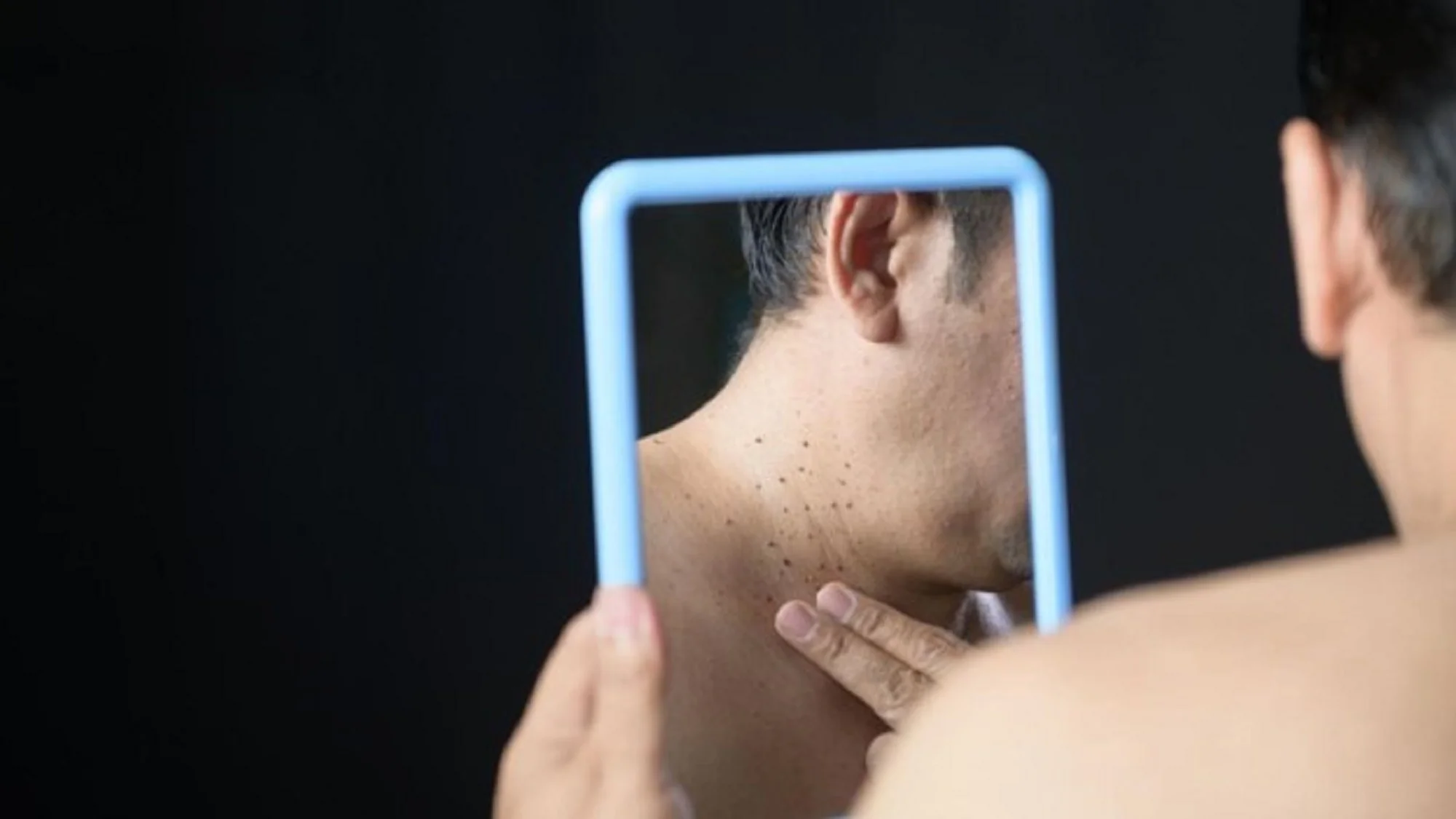
- The difference between a skin tag and a mole comes down to what they are composed of, how they look, and how they behave.
- Skin tags are soft, harmless growths that often hang from the skin, usually in areas where skin rubs.
- Moles are clusters of pigment cells. They can be flat or raised and can change over time.
- Skin tags are benign, but any mole that changes, bleeds, or looks unusual should be checked by your GP.
- If you are unsure what a skin mark is, have it checked before choosing any treatment.
Table of Contents
- What Is a Skin Tag?
- What Is a Mole?
- What Is the Difference Between a Skin Tag and a Mole?
- Can Skin Tags Be Removed in Milton Keynes?
- Can Moles Be Removed in Milton Keynes?
- What Should You Expect During and After Treatment?
- Final Thoughts
- FAQs
What Is a Skin Tag?
Skin tags (also known as acrochordons) are small, benign growths that hang from the skin or sit flat against it.
- Usually soft and flesh-coloured, or slightly darker than the surrounding skin
- Often attached by a thin stalk, so they can look like a tiny flap of skin
- Commonly found on the neck, underarms, eyelids, groin, and under the breasts
- More likely where skin rubs against skin or clothing
- Painless in most cases, though they can catch on jewellery or clothes
- Harmless, but many people dislike how they look or feel
Skin tags are very common, and having one is not a sign that anything is wrong.
What Is a Mole?
A mole is a cluster of pigment-producing cells in the skin. Most people have several characteristics:
- Can be flat or raised, smooth or slightly rough.
- Usually brown or black, though some are pink or skin-coloured.
- Can appear anywhere on the body, including areas that rarely see the sun.
- Often appear in childhood or early adulthood.
- Most are harmless, but moles can change over time.
- Any change in size, shape, colour, or feel is worth getting checked.
Unlike a skin tag, a mole is not simply extra skin. That is why moles need proper medical assessment rather than a cosmetic approach.
What Is the Difference Between a Skin Tag and a Mole?
| Skin tag | Mole | |
| What it is | A small, benign growth of skin | A cluster of pigment cells |
| Shape | Often hangs from a thin stalk, or sits flat | Flat or raised; usually attached directly to the skin |
| Colour | Flesh-coloured or slightly darker | Brown, black, pink, or skin-coloured |
| Texture | Soft and flexible | Smooth or slightly rough; firmer |
| Common areas | Neck, underarms, eyelids, groin, skin folds | Anywhere on the body |
| Changes over time | Usually stays the same or slowly grows | Can change in size, shape, or colour |
Can Skin Tags Be Removed in Milton Keynes?
Yes, Skin tag removal in Milton Keynes is available at our clinic using advanced electrolysis.
- Skin tags are treated one at a time with a fine, sterile probe.
- A consultation comes first, so you know what to expect.
- Treatment time is around 30 minutes, with as many skin tags as can be safely removed from the area.
- Usually, one session is enough, though a repeat may occasionally be needed
- If you are prone to skin tags, new ones can appear later, and a 6-monthly or yearly visit may help.
- Removal is only offered for marks that are confirmed as skin tags.
Trying to cut or tie off a skin tag at home can cause bleeding, infection, and scarring. It is safer to have it done by a trained practitioner.
Can Moles Be Removed in Milton Keynes?
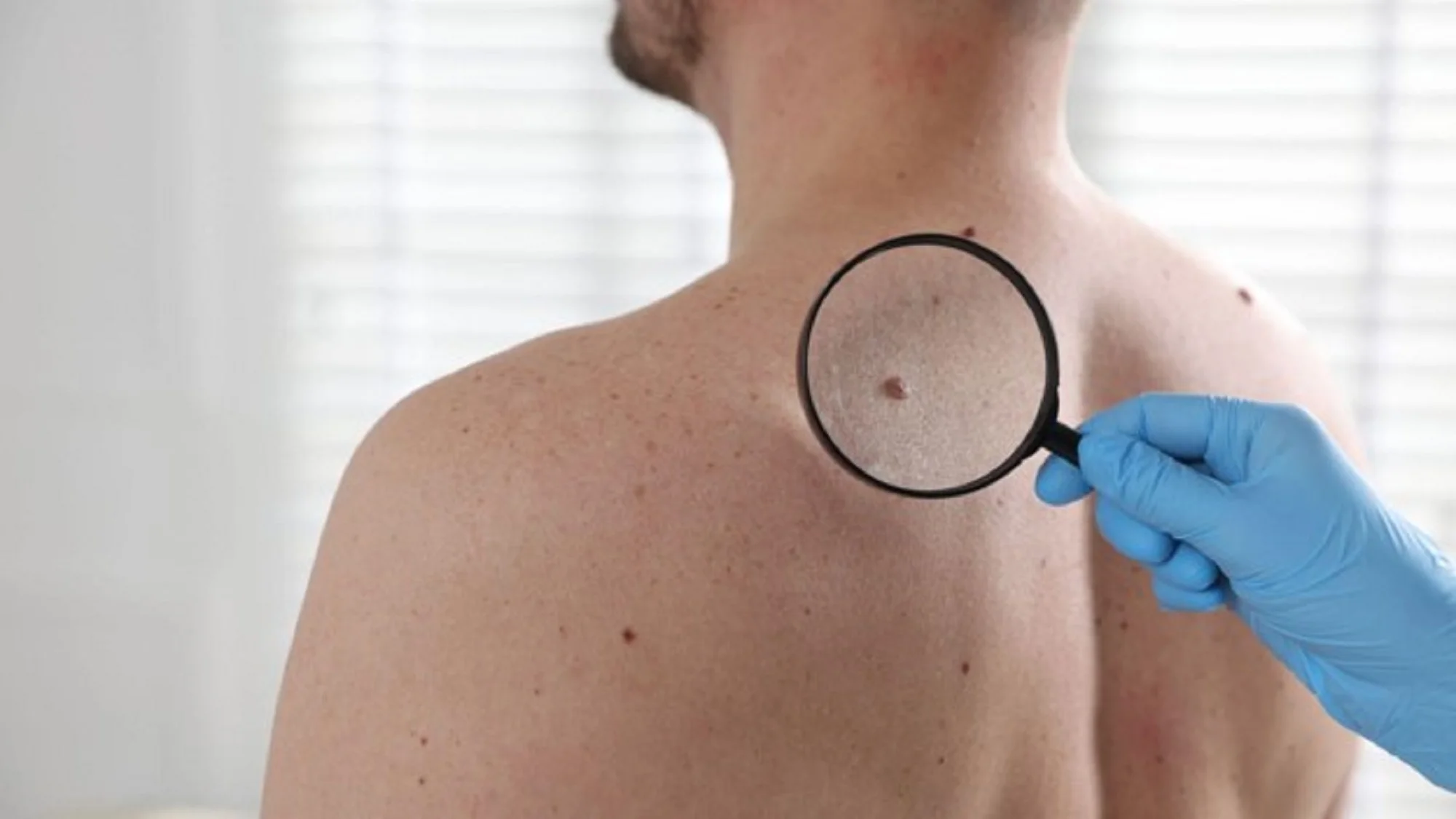
Yes, moles can be removed, but they are not treated the same way as skin tags. A mole is made of pigment cells, so it needs to be checked before anything is done to it.
- Assessment first: Your GP or a dermatologist should look at the mole to rule out anything concerning.
- Changing moles: A mole that is growing, changing colour, bleeding, or itching is usually removed by a doctor or surgeon, and the tissue may be sent for testing.
- Harmless moles: If a mole is healthy but bothers you, removal is usually considered a cosmetic choice and is often arranged privately rather than on the NHSt.
- Not at home: Cutting, burning, or using over-the-counter products on a mole can cause scarring or infection, and could hide warning signs.
- Keep a record: Take a clear photo every few weeks. It makes it easier to track changes in its appearance.
Final Thoughts
Understanding the difference between a skin tag and a mole helps you decide what to do next. Skin tags are soft, harmless growths that many people choose to have removed. Moles are made of pigment cells and should be checked by your GP if they change or if you are worried about them.
If you are unsure what a skin mark is, start with a consultation or a visit to your GP. It is the safest way to get a clear answer.
Ready to take the first step? Book an appointment today at A.H.Advanced Skin Specialist!
Speak to an experienced electrolysis specialist in Milton Keynes about skin tag removal, wart removal, and more.
Schedule a consultation with us today!
FAQs
What is the main difference between a skin tag and a mole?
A skin tag is a soft, harmless growth of skin that often hangs from a stalk. A mole is a cluster of pigment cells that can be flat or raised and can change over time.
Are skin tags dangerous?
Skin tags are benign and usually harmless. If one becomes painful, bleeds, or changes quickly, speak to your GP.
Can a skin tag turn into a mole?
No. They are different types of growth. A skin tag is extra skin, while a mole is made of pigment cells.
Do moles need to be removed?
Most moles are harmless and do not need removal. Any mole that changes, bleeds, or looks unusual should be checked by your GP or a dermatologist.
How long does skin tag removal take?
Treatment takes around 30 minutes, and usually one session is enough. The skin is normally healed after about 2 weeks.
About the Author
Alexandra Hall is the founder of A.H. Advanced Skin Specialist in Milton Keynes. With 35 years in the beauty industry, including 15 years teaching and training, she set up her own skin clinic to specialise in electrolysis for blemish removal and permanent hair removal. She enjoys seeing the difference these treatments make to her clients’ confidence and general well-being.