
Alex Hall, founder of A.H. Advanced Skin Specialist, brings over 33 years of experience in beauty, advanced electrolysis and specialist skin treatments. Her extensive hands-on experience supports our personalised approach to concerns such as milia and other unwanted skin lesions.
Have you noticed tiny white bumps around your cheeks or eyelids that simply won’t go away? Why do milia appear on cheeks and eyelids?
Quick answer: Milia are tiny white or yellowish cysts that form beneath the skin when keratin becomes trapped. They commonly appear around delicate areas such as the cheeks and eyelids and are usually harmless.
At A.H. Advanced Skin Specialist, we assess suitable milia and use advanced electrolysis to target individual lesions with a precise, personalised approach, helping you achieve clearer-looking skin.
Table of Contents
- Why do milia appear on cheeks?
- Why are milia common around eyelids?
- Can skincare products cause milia?
- Can you remove Milia at home?
- How we remove milia at A.H. Advanced Skin Specialist
- When should you get milia checked?
- Conclusion
- FAQs
Why Do Milia Appear on Cheeks ?
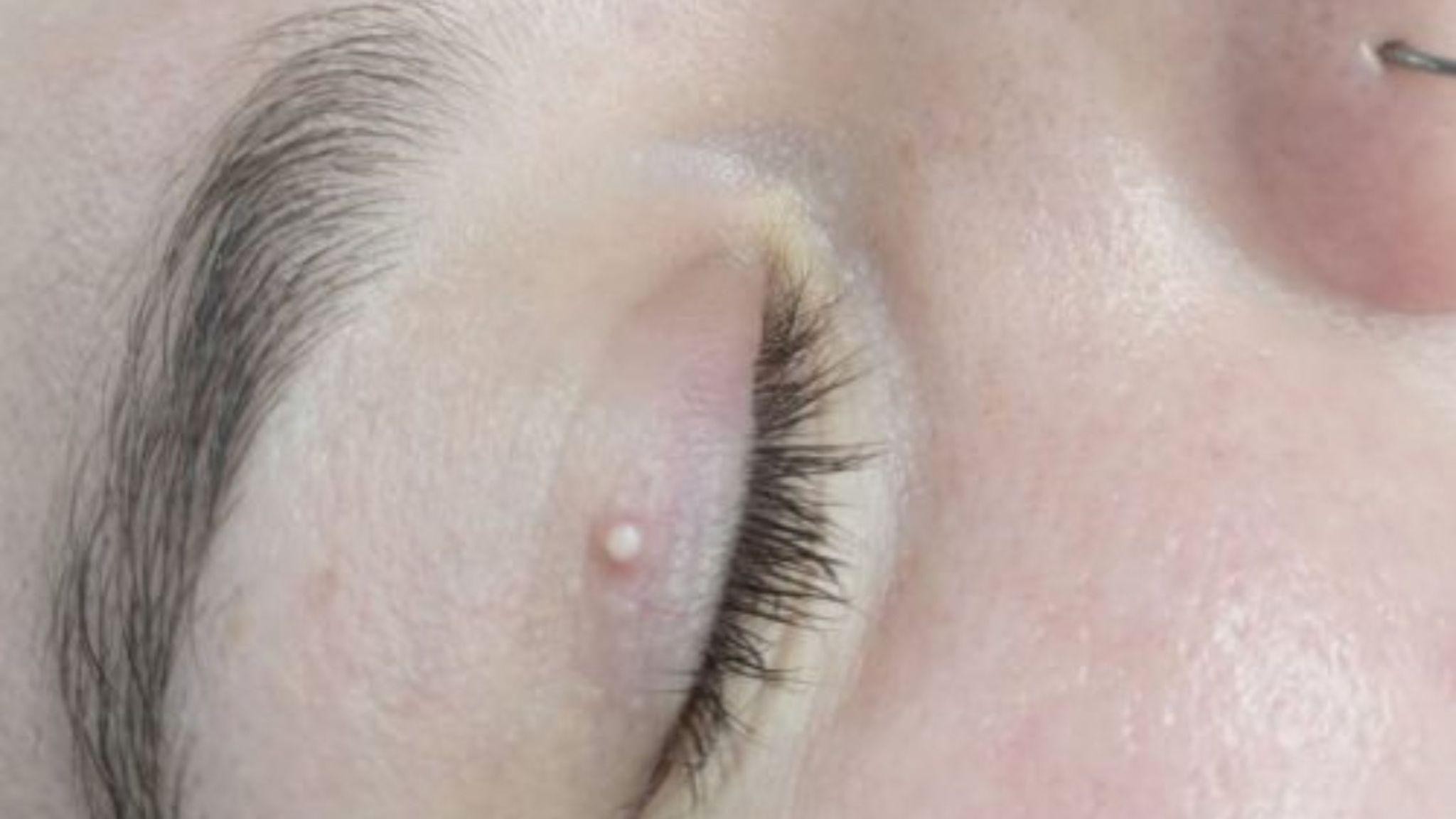
So, why do milia appear on cheeks? There isn’t always one clear reason. Milia develop when dead skin cells or keratin become trapped beneath the skin’s surface.
Several factors may contribute to their formation, including:
- Skin damage or irritation
- Thick or heavy skincare products
- Sun exposure
- Changes in the skin’s natural renewal process
- Certain skin conditions
- Trauma or procedures affecting the skin
Cheeks are particularly exposed to skincare products, cosmetics and environmental factors. This may help explain why milia can be noticeable in this area.
However, having milia doesn’t necessarily mean you’re doing anything wrong with your skincare routine.
Why Are Milia Common Around the Eyelids?
The eyelid area has very delicate, thin skin. It’s also an area where people frequently apply eye creams, moisturisers and makeup.
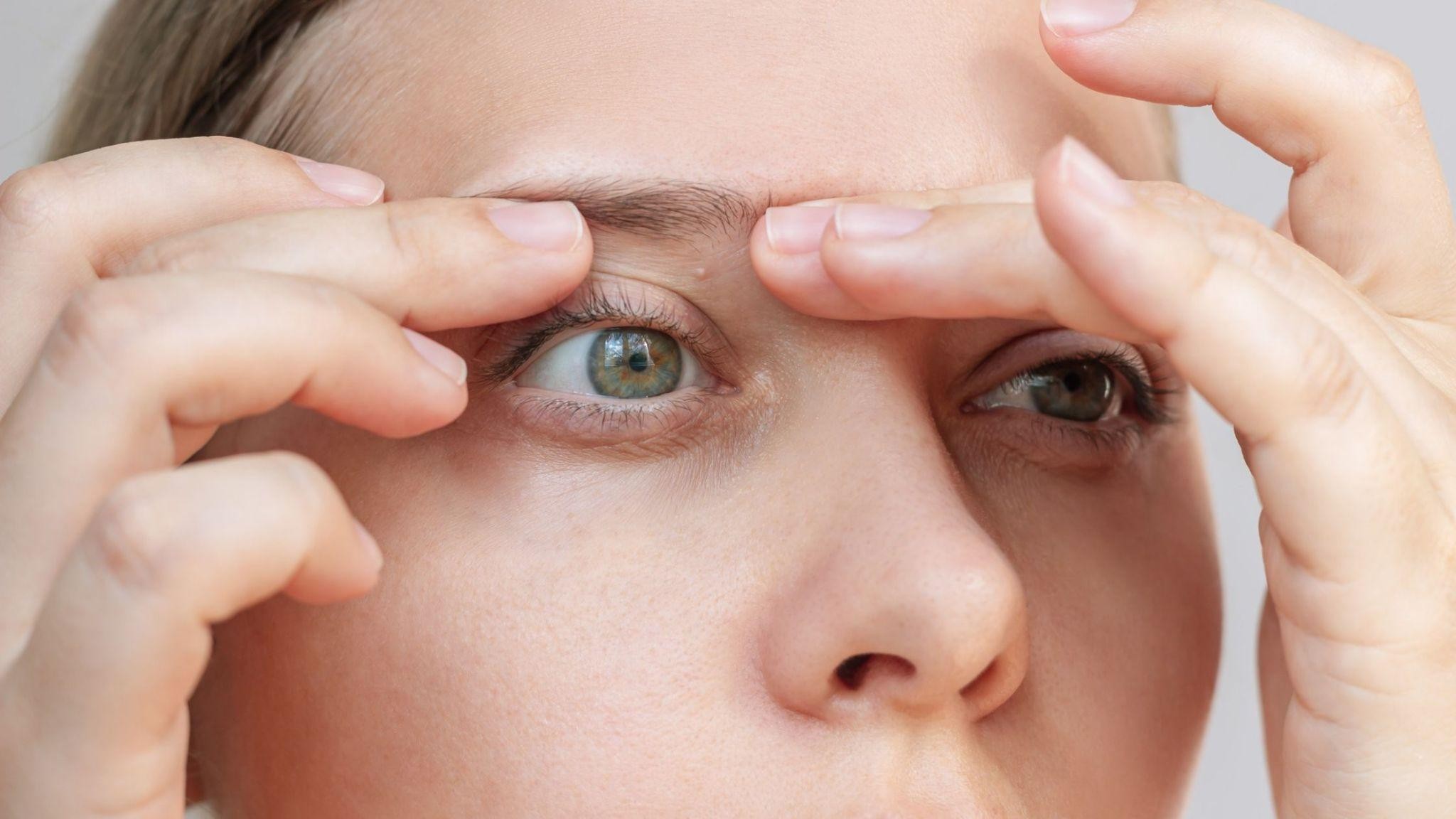
Milia can appear around the upper or lower eyelids, underneath the eyes or near the outer corners. Because these bumps are so close to the eyes, trying to remove them yourself can be risky.
Imagine spotting a tiny white bump before an important event. It’s tempting to reach for a needle or squeeze it. But that can irritate the delicate skin and potentially lead to infection or scarring. Professional treatment is a much safer approach.
Can Skincare Products Cause Milia?
Heavy products don’t necessarily cause milia, but occlusive skincare may contribute to their development in some people.
If you’re prone to milia, consider reviewing your skincare routine.
Here are a few practical tips:
- Choose products labelled non-comedogenic where appropriate.
- Avoid applying very heavy creams around the eyes unless needed.
- Remove makeup gently at the end of the day.
- Don’t pick or squeeze existing milia.
- Protect your skin from excessive sun exposure.
- Avoid harsh scrubs that may irritate the area.
Your skin doesn’t need a complicated 10-step routine. Often, consistency and gentle care are more useful.
Can You Remove Milia at Home?
It’s best not to try. Because milia are enclosed beneath the skin, squeezing them like a spot can cause unnecessary trauma. Using pins or needles at home also introduces the risk of infection and skin damage.
Instead, professional milia removal can provide a more controlled approach. At A.H. Advanced Skin Specialist, we examine the area before using advanced electrolysis.
For suitable milia, we use a fine probe and a controlled electrolysis technique to precisely target the individual lesion. This targeted approach allows us to focus on the individual lesion while taking care around the surrounding skin.
How We Remove Milia at A.H. Advanced Skin Specialist
At A.H. Advanced Skin Specialist, treatment starts with assessing the area and understanding your specific concern.
Once the milia are deemed suitable for treatment, advanced electrolysis can be used to achieve precise removal.
Our approach includes:
- Professional assessment: We examine the area before treatment.
- Precise treatment: A fine probe is used to target the individual milia.
- Controlled electrolysis: A short-wave current is applied during removal.
- Aftercare guidance: You receive advice on caring for the treated area while it heals.
The goal is simple: treat the milia carefully while prioritising your skin’s comfort and appearance.
When Should You Get Milia Checked?
Most milia are harmless. However, not every small white or skin-coloured bump is necessarily milia.
If a bump changes, becomes painful, bleeds, grows rapidly or looks unusual, it’s important to seek appropriate professional medical advice rather than assuming it’s milia.
For straightforward cosmetic milia concerns, a specialist can assess the area and advise whether professional removal is suitable.
If we’re unsure whether a lesion is milia, we recommend seeking appropriate medical assessment rather than proceeding with cosmetic treatment.
Why A.H. Advanced Skin Specialist?
At A.H. Advanced Skin Specialist, we combine extensive industry experience with specialist knowledge of advanced electrolysis and skin treatments. Led by Alexandra Hall, who has over 33 years of industry experience, we take a personalised approach to concerns such as milia, skin tags, fibrous papules and other unwanted skin lesions.
We assess each concern individually before recommending an appropriate treatment approach and provide aftercare guidance to support the healing process.
FAQs About Milia Removal
Why do milia appear on cheeks?
Milia form when keratin becomes trapped beneath the skin. Factors such as skin irritation, sun exposure, heavy skincare products and changes in skin renewal may contribute to their development.
Are milia common around the eyes?
Yes. Milia frequently occur around the eyelids and under-eye area because the skin there is delicate. They can also develop on the cheeks, forehead and other parts of the face.
Can I squeeze milia like a spot?
No. Milia don’t have the same opening as typical whiteheads. Squeezing or puncturing them yourself can cause irritation, infection or scarring.
How are milia removed at A.H. Advanced Skin Specialist?
We use advanced electrolysis for suitable milia. A fine probe and controlled current are used to target the individual cyst, followed by appropriate aftercare guidance.
Conclusion: Professional milia removal with A.H. Advanced Skin Specialist
So, why do milia appear on cheeks and eyelids? They develop when keratin becomes trapped beneath the skin, and factors such as irritation, sun exposure and skincare habits may play a role.
Although milia are usually harmless, you don’t have to live with bumps that affect your confidence. Avoid trying to remove them yourself and consider professional care instead.
Looking for a Skin Specialist Experienced in Electrolysis Treatment in Milton Keynes?
At A.H. Advanced Skin Specialist, we provide professional milia removal in Milton Keynes using advanced electrolysis, alongside treatments for skin tags, fibrous papules, broken capillaries and other unwanted skin concerns.
Contact us at +447703830047 today to discuss your skin and find out whether milia removal is suitable for you!
About the Author
Written by the A.H. Advanced Skin Specialist team, led by Alexandra Hall, with 33 years of industry experience in electrolysis, advanced skin treatments, and professional teaching. Our team provides expert, personalised insights backed by extensive hands-on experience and a strong focus on safe, precise treatment.